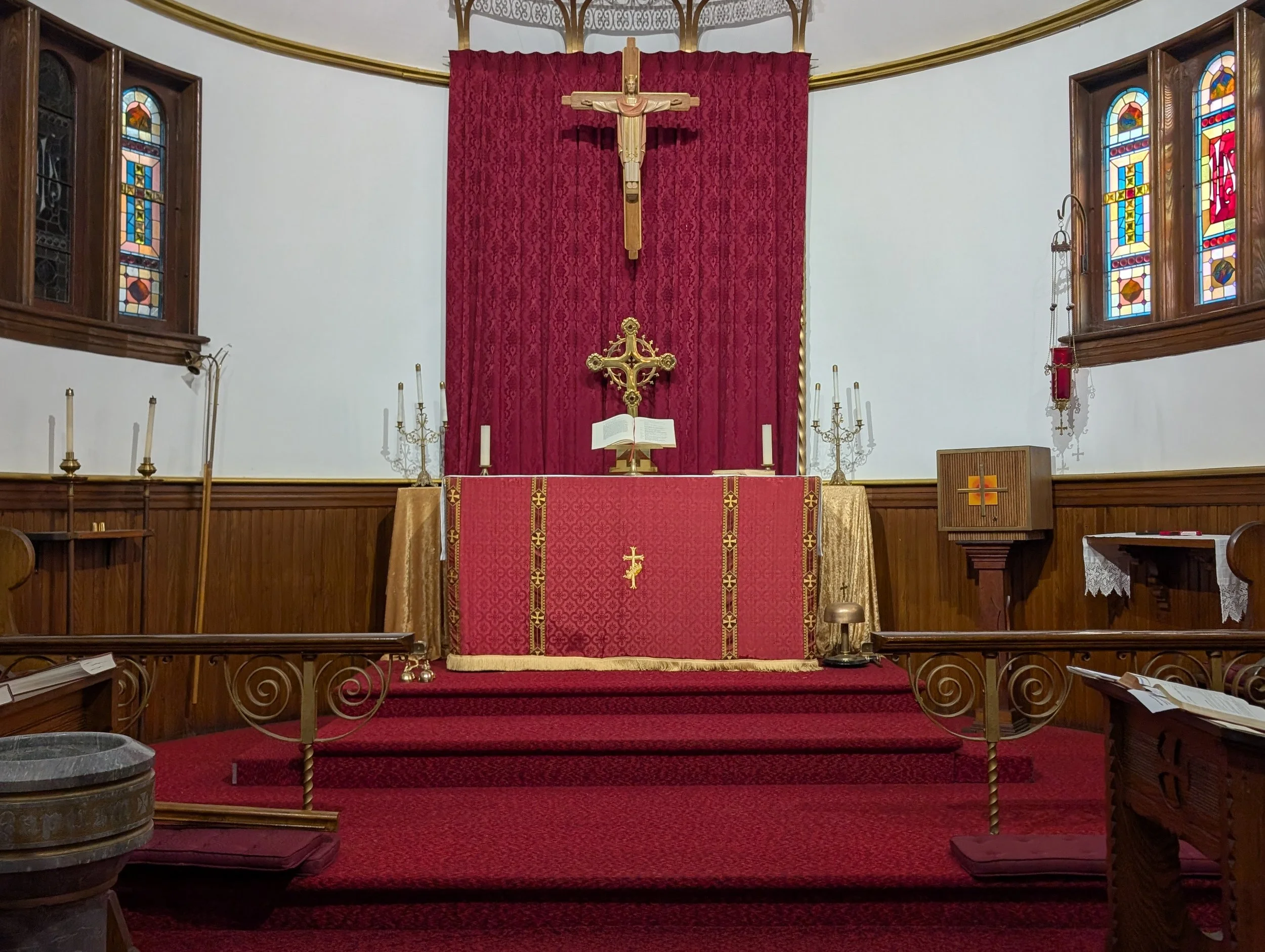
Easter
The feast of Christ's resurrection. According to Bede, the word derives from the Anglo-Saxon spring goddess Eostre. Christians in England applied the word to the principal festival of the church year, both day and season. 1) Easter Day is the annual feast of the resurrection, the pascha or Christian Passover, and the eighth day of cosmic creation. Faith in Jesus' resurrection on the Sunday or third day following his crucifixion is at the heart of Christian belief. Easter sets the experience of springtime next to the ancient stories of deliverance and the proclamation of the risen Christ. In the west, Easter occurs on the first Sunday after the full moon on or after the vernal equinox. Easter always falls between Mar. 22 and Apr. 25 inclusive. Following Jewish custom, the feast begins at sunset on Easter Eve with the Great Vigil of Easter. The Eastern Orthodox Church celebrates Easter on the first Sunday after the Jewish pesach or Passover (which follows the spring full moon). Although the two dates sometimes coincide, the eastern date is often one or more weeks later.
What are liturgical colors?
Liturgical colors within Christian liturgy signify different seasons and times of year. Each season has its own mood, meaning and type of prayer. Each color has its own meaning and feeling, and can be seen worn or hung throughout the church during specific times of year. The primary colors in the liturgical calendar are red, white, gold, violet, green, and black.
WHITE, the color of Jesus’ burial garments, for Christmas, Easter, and other ‘feasts’ or festival days, as well as marriages and funerals.
Easter Resources from our Friends of the Diocese of Central New York.